

From field to book film: How sugar cane powers our sustainable book protection
Every ton of sugar cane–based polyethylene removes CO₂ from the atmosphere. And with every roll of filmolux® soft organic or filmolux® libre organic, your library becomes part of that story.
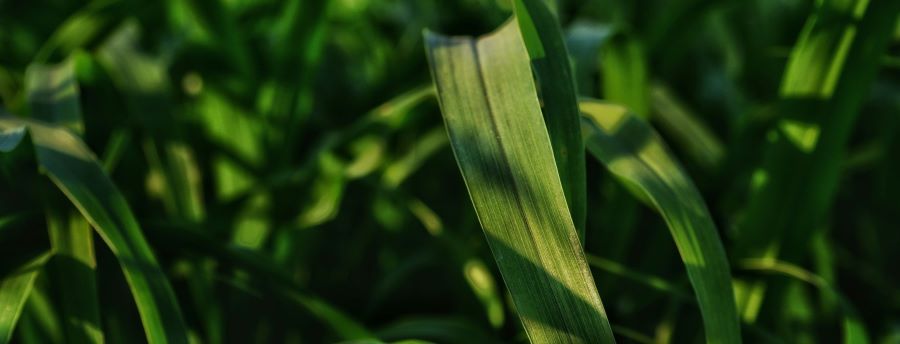
Sugar cane is one of nature’s most versatile crops. Grown widely in Brazil – the world’s largest producer – it’s used to make sugar, bio-PE, and bio electricity. And now, it also plays a central role in sustainable plastics.
But why sugar cane?
Because it’s renewable, high-yielding, and carbon-binding. During its growth, sugar cane absorbs CO₂ from the atmosphere through photosynthesis, helping reduce greenhouse gases.
Sustainable farming in Brazil
The story starts in the Centre-South region of Brazil, far from the Amazon rainforest – over 2,500 kilometers away, to be exact. This location isn’t just strategic; it’s also responsible. Sugar cane cultivation here is tightly regulated and rarely irrigated. Thanks to ample rainfall, water usage is minimal during the farming phase.
Most water consumption happens later during processing – but even that is remarkably efficient.
Nothing goes to waste
After harvesting, sugar cane is taken to local mills. Here’s where things get interesting:
- Pressed up to five times, the cane yields juice for sugar and ethanol.
- Bagasse – the fibrous leftovers – fuels the mill itself, generating steam and electricity.
- Ash and vinasse, nutrient-rich by-products, are returned to the fields as organic fertilizer.
This closed-loop system ensures that every part of the plant is used – nothing is wasted.
Turning cane into plastic
So, how do we get from sugar cane to your book’s protection cover?
- Ethanol derived from sugar cane is processed into ethylene.
- That ethylene is then polymerized into bio-based polyethylene resin.
- This resin becomes the key ingredient in our protection film, produced in Europe.
What’s truly impressive: for every ton of this polyethylene, CO₂ is sequestered from the atmosphere. That means our products store carbon – not release it.
A cleaner future with every roll
By switching from fossil-based plastics to bio-based alternatives like sugar cane, we help:
- Reduce dependence on finite resources
- Lower carbon emissions
- Support sustainable agriculture
All while delivering the high-performance, durable protection you expect from filmolux®.
Learn More
Curious about sugar cane’s broader impact? Visit the Sugarcane Industry Association (UNICA) for more in-depth information.